Portable electronics have become essential companions during travel, outdoor recreation, and emergency situations. Phones, GPS devices, cameras, and lights all rely on steady power, even far from traditional outlets. Solar power banks offer a way to recharge small devices using sunlight instead of wall sockets. Improvements in battery technology and panel efficiency have made these tools more practical for everyday users. Understanding how they work helps set realistic expectations and improves results in real-world conditions. In this article, the outdoor performance of solar power banks is explained clearly, including how they charge, what affects their speed, and how to use them effectively.

1. Solar Panels Capture Sunlight
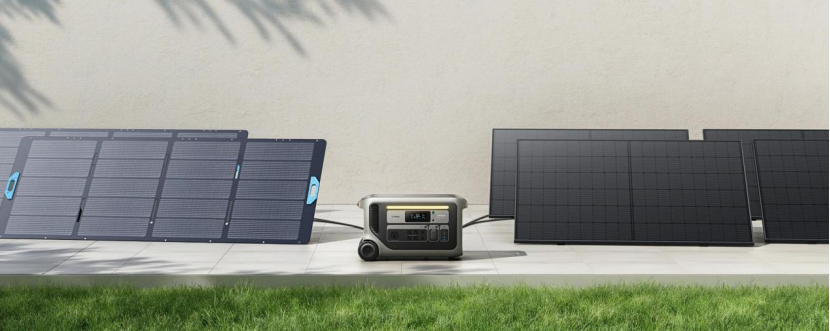
Small solar panels, whether built-in or attached to a power bank, collect sunlight and convert it into electricity. Inside each panel, photovoltaic cells respond to light and generate an electrical current. This current doesn’t power devices directly at first—instead, it charges the power bank’s internal battery. Once stored, the energy can later be accessed through USB or other output ports. Many outdoor enthusiasts pair foldable solar panels with a compact solar power bank, ensuring that energy collected during the day remains available at night. Durable, long-life designs—such as those offered in the Anker SOLIX solar power bank series—are often preferred for balancing portability with reliable energy storage. This combination turns sunlight captured on a trail, at a campsite, or during an outage into usable power hours later.
2. Sunlight Determines Charging Speed
Direct sun charges fastest
Solar charging works best when panels receive strong, direct sunlight. Midday sun with clear skies provides the highest energy levels. Under these conditions, a panel can recharge a power bank much more quickly than in weak light. Positioning the panel so it faces the sun directly improves performance. Even small adjustments in angle can noticeably affect charging speed. Consistent exposure over several hours produces the most reliable results.
Clouds or shade slow charging
Cloud cover reduces the intensity of sunlight reaching the panel. Shade from trees, buildings, or even a backpack can also lower output significantly. In these situations, charging still occurs but at a much slower pace. The power bank may gain only a small amount of energy over several hours. Diffused light on overcast days can still contribute, but expectations should be adjusted. Planning for variable weather helps ensure devices remain powered when needed.
3. Built for Portability
Lightweight and easy to carry
Solar power banks are designed with travel and outdoor movement in mind. Many models are small enough to fit into a backpack pocket. Lightweight construction makes them suitable for hiking, camping, or long walks. Some include loops or clips to attach panels to a bag while walking. This allows charging to continue without stopping. Portability ensures energy collection can happen alongside daily outdoor activities.
Often include USB ports for devices
Most solar power banks store energy in an internal battery that can later charge phones and other electronics. USB ports are commonly included to support a wide range of devices. Some models also provide multiple outputs so more than one device can charge at once. Built-in safety features help regulate voltage and protect connected electronics. This makes them useful not only outdoors but also during travel delays or power outages at home. Their versatility increases their value beyond a single type of trip.
4. Performance Is Weather-Dependent
Small panels mean slower charging
Because portable panels are compact, their surface area is limited. Smaller surface area means they collect less sunlight at any given moment. As a result, charging a large battery entirely from solar alone can take many hours or even days. This makes solar charging better suited for topping off devices rather than replacing wall charging entirely. Understanding this limitation prevents unrealistic expectations. Despite slower speeds, steady sunlight over time can still provide meaningful power.
Angle and placement affect output
The direction a panel faces plays a major role in how much energy it collects. Panels perform best when angled toward the sun rather than lying flat. Adjusting position throughout the day can increase total energy captured. Avoiding shadows from gear or nearby objects also improves results. Even a small shadow across part of a panel can reduce efficiency. Careful placement helps make the most of available sunlight.
5. Tips for Better Results
Pre-charge before going outdoors
Starting with a fully charged power bank provides a reliable energy reserve. Solar charging can then extend that reserve rather than serving as the only source. This approach is especially helpful during short trips or unpredictable weather. Devices can be topped up immediately without waiting for sunlight. Solar input becomes a bonus rather than a necessity. Preparation improves overall reliability.
Keep panels facing the sun
Regularly adjusting the panel’s position increases total energy collected during the day. Simple repositioning every hour or two can make a noticeable difference. Propping panels up instead of laying them flat often improves exposure. Cleaning dust or dirt from the surface also helps maintain efficiency. Paying attention to panel orientation is one of the easiest ways to improve performance. Small habits like these lead to better charging outcomes outdoors.
Conclusion
Solar power banks provide a practical way to generate small amounts of electricity in outdoor environments. They capture sunlight, store it in a battery, and later transfer that energy to everyday devices. While charging speed depends heavily on sunlight and panel size, careful use can produce reliable results. Their lightweight design and versatility make them useful for travel, recreation, and emergency preparedness. Understanding their strengths and limitations helps users plan effectively. With realistic expectations and good placement, solar power banks become dependable tools for staying powered beyond the reach of outlets.