Introduction
Connecting an active subwoofer can elevate your audio experience by delivering rich, deep bass. Understanding the correct connection methods will ensure you get optimal performance. This guide will walk you through essential steps to seamlessly integrate your active subwoofer into your audio setup.
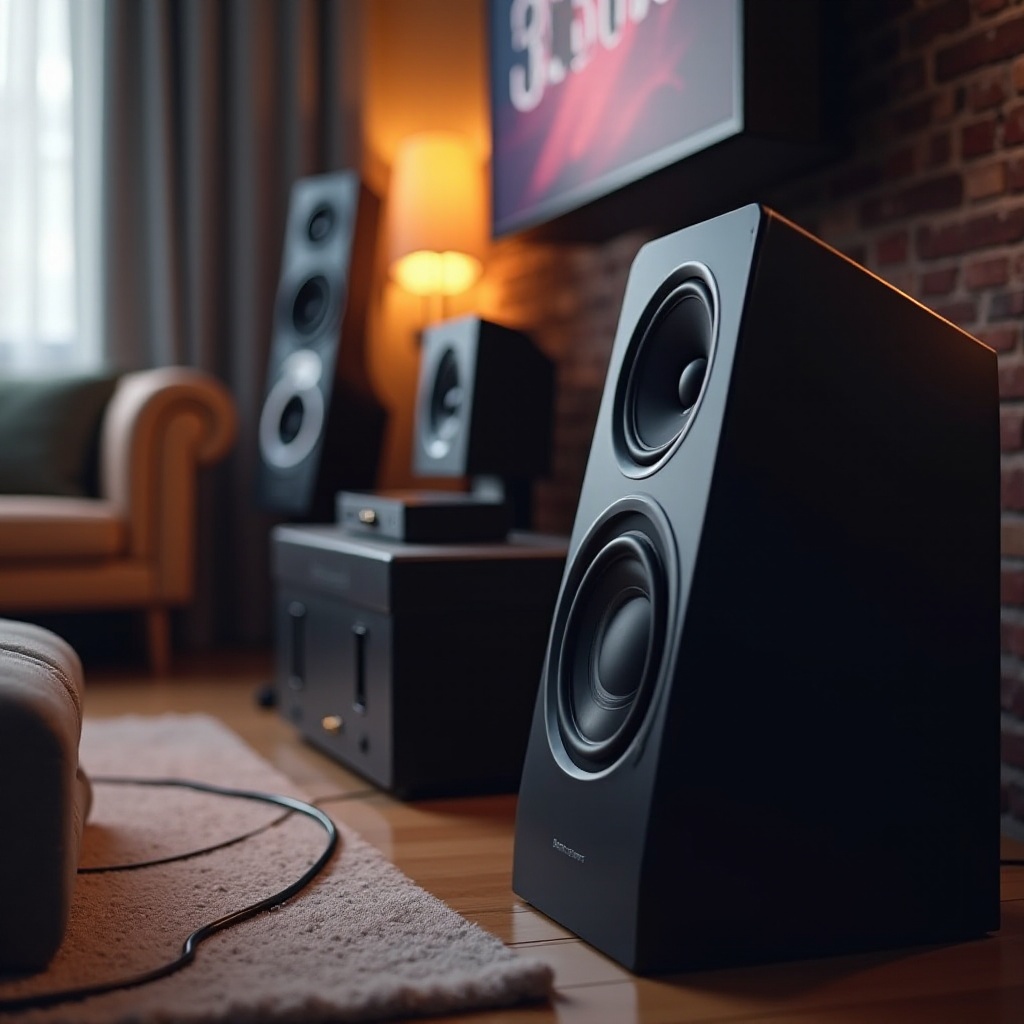
Understanding Active Subwoofers
Active subwoofers, often referred to as powered subwoofers, include a built-in amplifier. This feature makes them self-sufficient, eliminating the need for an external amp and simplifying the setup process.
-
What is an Active Subwoofer?
Active subwoofers are complete units that convert electrical signals to sound using their internal amplifiers. This integration offers power and efficiency in delivering low-frequency sounds that enrich the audio experience. -
Benefits of Using an Active Subwoofer
- Self-Powered: They do not require an external amplifier, reducing complexity in your setup.
- Versatile: Easy to integrate with various audio systems.
- Space-Saving: Housing both the amplifier and speaker in one unit optimizes space usage.
With a clear understanding of what makes active subwoofers advantageous, you can prepare to connect your system safely and effectively.
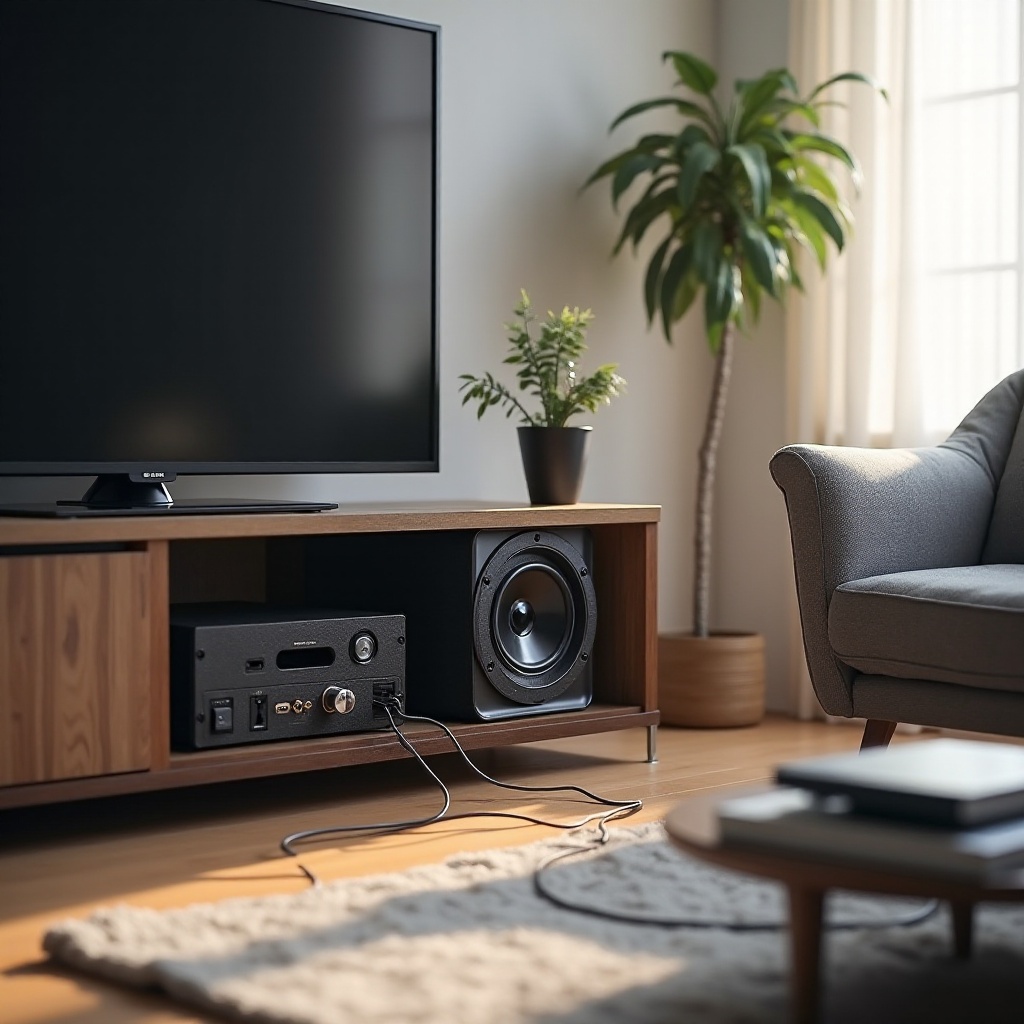
Preparing for Connection
A little preparation goes a long way in ensuring a smooth setup process. Gather the right tools and take necessary precautions for a safe connection.
- Essential Tools and Equipment
- RCA cables or speaker wires, depending on your connection preference
- Subwoofer cable
- Screwdriver
-
Power strip or surge protector
-
Safety Precautions
- Turn off all equipment before commencing any connections.
- Use surge protectors to guard against electrical spikes.
- Secure all connections to prevent any type of short circuit.
Once you have organized your tools and ensured safety measures, it’s time to explore the various methods for connecting your subwoofer.
Different Methods for Connecting an Active Subwoofer
Your choice of connection method can significantly affect the audio quality you achieve. Here are some primary methods to consider:
- Connecting with RCA Cables
-
Locate the subwoofer output on your receiver or amplifier. Connect it to the subwoofer input using a high-quality RCA cable for a direct and reliable connection.
-
High-Level Connections
-
Use this method when your system lacks an RCA output. Connect speaker wires from your audio source directly to your subwoofer using the speaker level input to ensure the signals are properly received.
-
Wireless Connection Options
- Leverage a wireless subwoofer kit to eliminate the need for cabling.
- Confirm that your receiver and subwoofer are compatible with wireless communication.
- Follow pairing instructions from the manufacturer to ensure a strong wireless connection.
Completing the physical connection is just one part of the process. Now, you must set up and fine-tune your subwoofer for ideal performance.
Setting Up and Tuning Your Subwoofer
Positioning and configuration greatly influence how the subwoofer enriches your sound system. Let’s focus on how to get it right.
- Optimal Placement Tips
- Place your subwoofer near a room corner to enhance bass sounds naturally.
-
Utilize the ‘subwoofer crawl’ by playing bass-heavy music and moving around to find where the bass sounds most even and place your subwoofer there.
-
Adjusting Crossover and Volume Settings
- Set crossover frequency based on your main speakers, usually between 80-120 Hz, for a seamless integration of sound.
-
Balance the subwoofer’s volume to complement your system without overshadowing the other speakers.
-
Common Mistakes to Avoid
- Avoid placing the subwoofer within an enclosed space that might muffle or exaggerate sound.
- Ensure the volume is not set too high, which could lead to distortion and affect audio clarity.
Having your subwoofer correctly positioned and tuned, let’s ensure you know how to tackle any issues that might arise with troubleshooting.
Troubleshooting Common Issues
Even with a perfect setup, some issues may occur. Here’s how to solve common problems you might encounter:
- No Sound from the Subwoofer
- Verify that the power cable is plugged in and the subwoofer is switched on.
-
Check the cables connecting the subwoofer to your audio source to ensure they are secure and undamaged.
-
Distorted or Unclear Sound
- Adjust volume and crossover settings in line with manufacturer guidelines to avoid distortion.
- Ensure the subwoofer is placed properly to circumvent excessive bass resonance caused by walls or corners.
Having this troubleshooting advice handy will help maintain your system’s performance, wrapping up our focus on active subwoofer connections. Enjoy the improved listening experience!
Conclusion
A properly connected and optimally tuned active subwoofer significantly enhances your audio environment. By understanding your subwoofer’s features, preparing accurately, connecting correctly, and effectively troubleshooting, you’ll transform your listening experience.
Frequently Asked Questions
How do I know if my subwoofer is connected correctly?
Listen for balanced bass without distortion. The subwoofer should complement your main speakers, filling the room with deep bass.
Can I connect multiple subwoofers to a single system?
Yes, use an additional output from your receiver or a splitter to connect multiple subwoofers, improving bass coverage.
What should I do if my subwoofer keeps disconnecting?
Ensure all cables are secure. For wireless setups, check for interference sources, move them, or switch to a wired connection.