Introduction
Water is one of the greatest enemies of electronic devices, including headphones. Whether due to an unexpected downpour, an accidental drop in the sink, or a spill at your desk, finding your headphones exposed to water can be distressing. Immediate and effective action can save your headphones from permanent damage. This guide provides steps to identify water damage, handle the situation immediately, and prevent future incidents, ensuring the longevity of your treasured audio companions.
Recognizing Water Damage
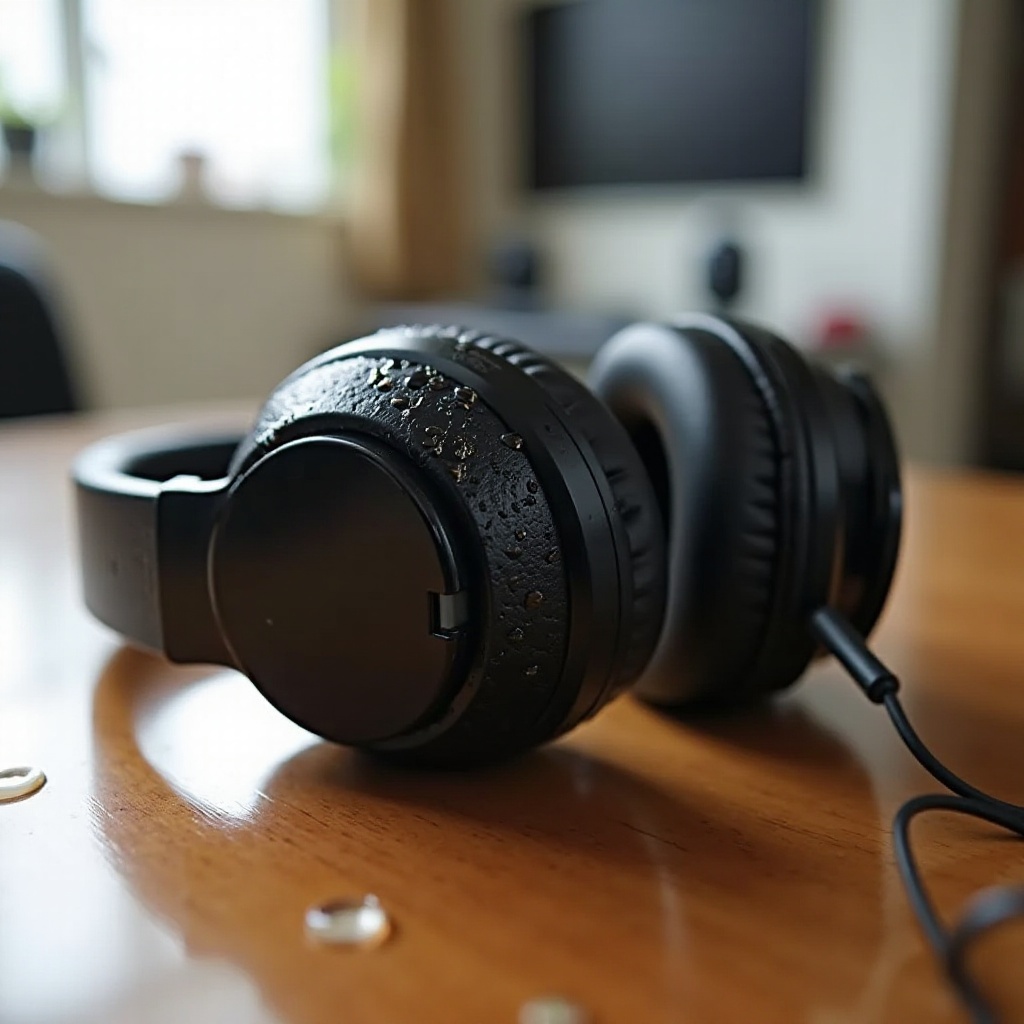
Identifying water damage in its early stages is key to preventing further harm. Headphones affected by water might exhibit muffled sound, sporadic connectivity issues in wireless models, or complete dysfunction. For models with built-in microphones, watch out for distorted audio. Visually, condensation may appear inside or on the components. If you notice these signs, it’s time to act swiftly, setting the stage for immediate measures to prevent damage.
Immediate Actions Post Water Exposure
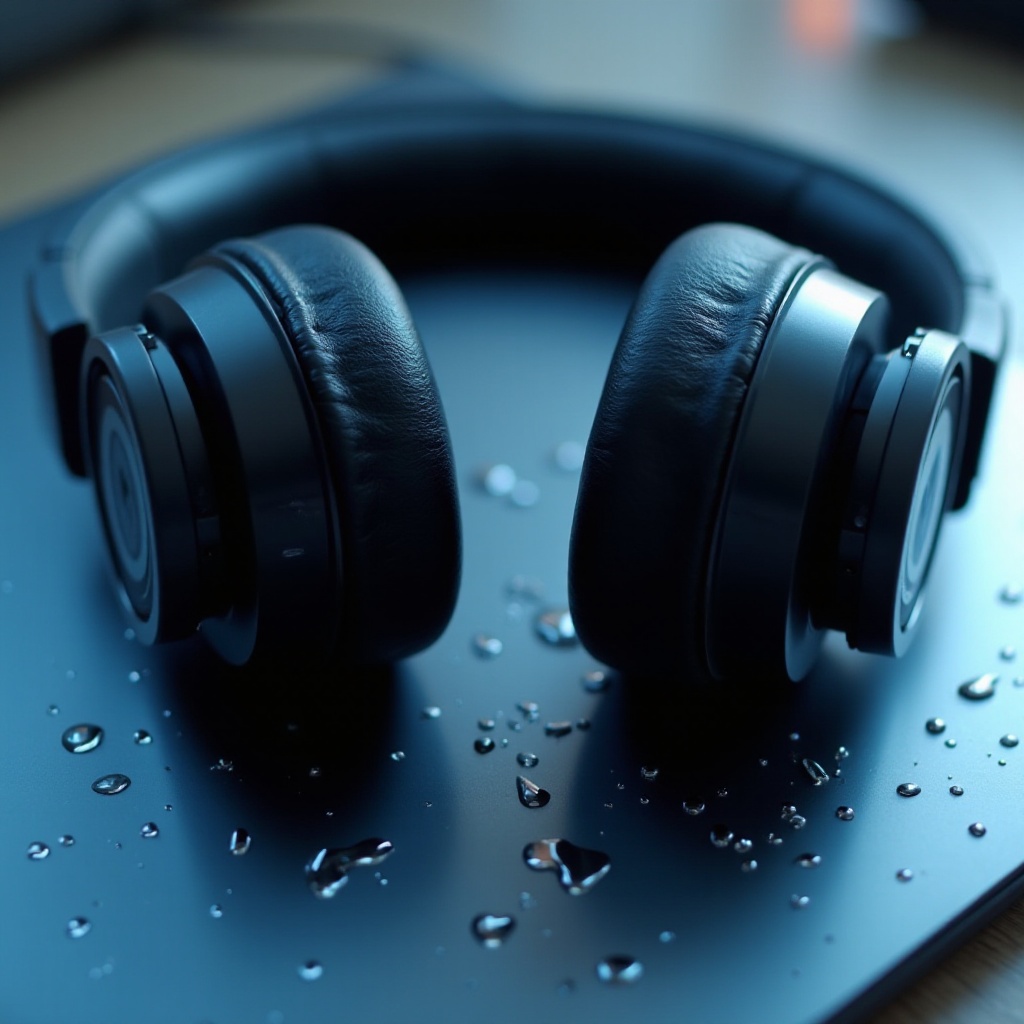
Catching water exposure early means you can act fast to mitigate the damage. Here’s what you should do right away:
- Power Off and Disconnect: Turn off your headphones immediately and unplug any cables. This step is crucial to avoid electrical shorts.
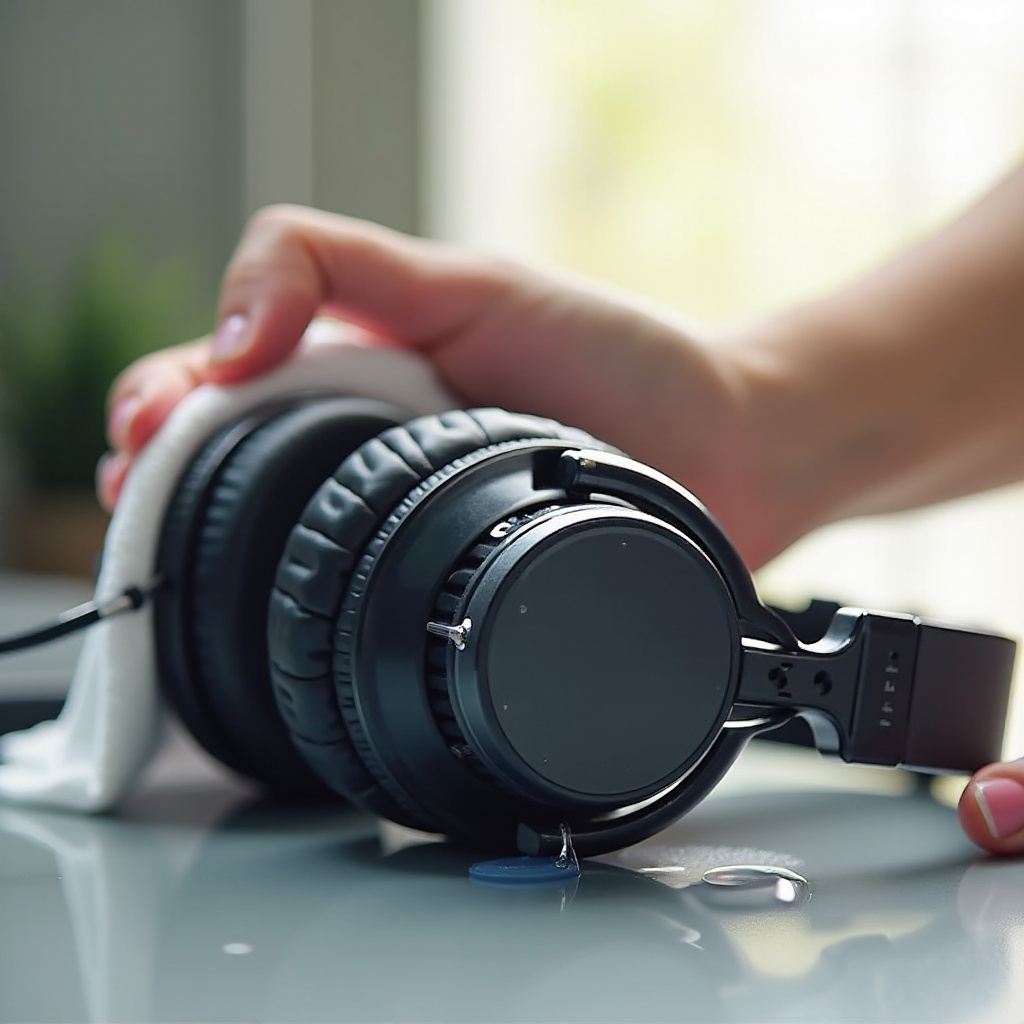
- Remove Excess Water: Gently shake the headphones and use a soft, absorbent cloth to dab away surface moisture. Be cautious not to drive water further inside.
Taking these initial precautions can significantly enhance your device’s chance of recovery. These actions prepare you to tackle the drying process effectively.
Effective Drying Techniques
Proper drying methods are essential for restoring your headphones back to health. Consider these methods:
-
Air Drying Method: Place your headphones in a dry, ventilated location. Ensure they are positioned to allow any trapped water to evaporate effectively. This approach is time-consuming but safe.
-
Using Rice or Silica Gel: Immerse your headphones in a container filled with rice or silica gel packets. These materials efficiently draw moisture away. Ensure complete coverage and leave them for at least 24-48 hours for best results.
-
Avoiding Direct Heat and Sunlight: Avoid using hairdryers, ovens, or direct sunlight, as these can heat internal components to damaging levels.
Once the drying process is complete, it’s time to evaluate your headphones’ functionality to ensure they’re fully operational.
Testing for Functionality
After drying, it’s vital to verify that your headphones are in working condition before regular use:
-
Reassembly and Initial Sound Check: Assemble your headphones according to the manufacturer’s instructions if disassembled. Connect them to a device to test sound output.
-
Troubleshooting Common Issues: Should sound remain distorted or features non-functional, revisit your drying process to ensure all moisture is removed. Persisting issues may indicate damage to internal components.
A successful test signals the end of your recovery efforts, and now you can shift your focus to preventative measures.
Preventing Future Water Damage
To keep your headphones safe from future water-related incidents, adopt these practices:
-
Waterproof and Water-Resistant Options: Consider purchasing headphones specifically designed to resist water exposure if you frequently encounter wet environments.
-
Usage Tips Near Water: Refrain from using headphones near water sources, and always store them in a protective case when not in use to mitigate accidental exposure.
By adopting these strategies, you reduce the risk of future water damage, prolonging the lifespan of your headphones.
Conclusion
Water damage does not necessarily mark the end of your headphones. Promptly recognizing and addressing the problem, employing efficient drying techniques, and diligently testing for functionality can save your device. Then, by following preventative tips, you can avoid future mishaps. Care for your headphones, and they will continue to deliver superior sound quality for years to come.
Frequently Asked Questions
Can rice really dry out wet headphones?
Yes, rice can absorb moisture, but it’s less effective than silica gel. Use cautiously to avoid grains entering your device.
How long should I leave my headphones in a drying agent?
For optimal results, leave your headphones in rice or silica gel for at least 24-48 hours to thoroughly absorb moisture.
When should I consider professional repair services?
Seek professional repair if headphones remain non-functional after drying, especially if there is no sound or visible damage persists.