Introduction
An AV receiver is not just another electronic device; it is the cornerstone of a premium home theater setup. It enhances the audio and video quality, ensuring every movie, song, or game you engage with is an immersive experience. This guide takes you through the significance of AV receivers, unveiling how this technology can transform ordinary home entertainment into something extraordinary.
What is an AV Receiver?
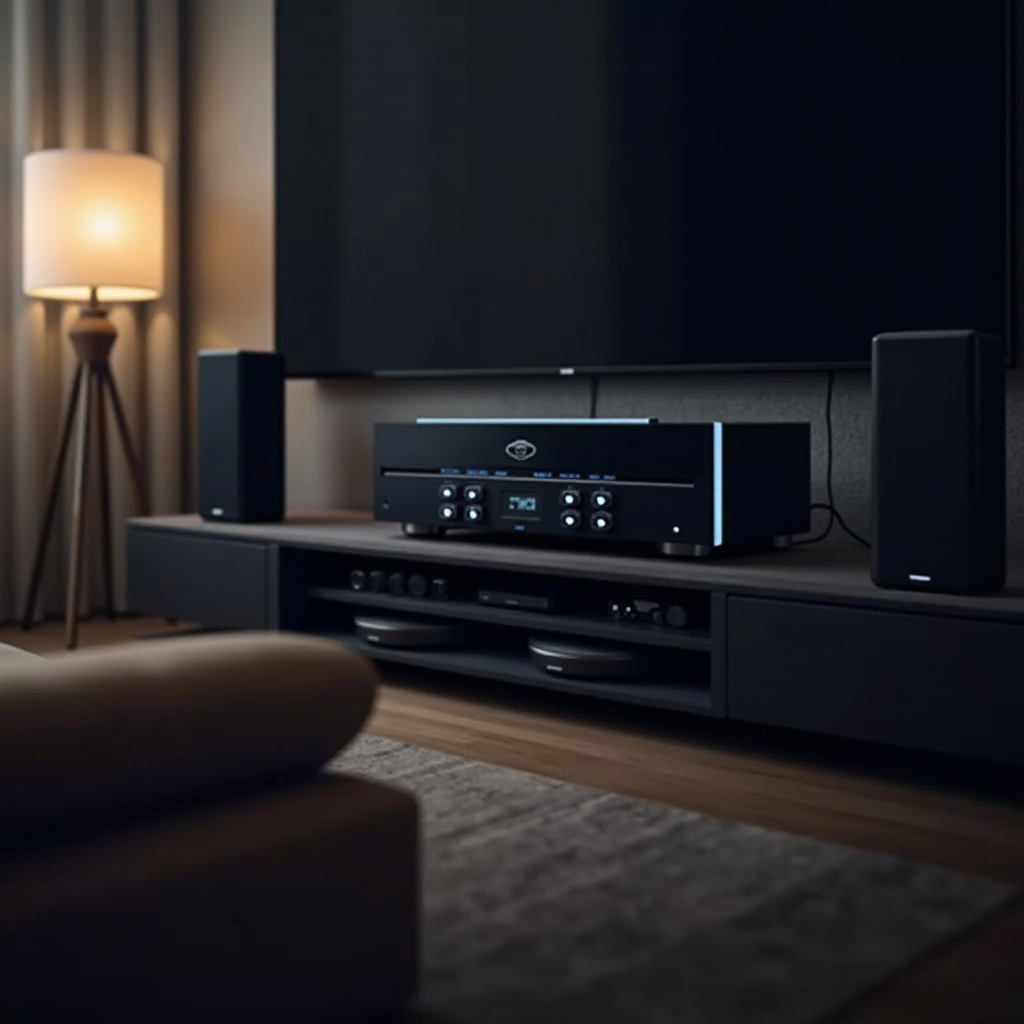
An AV receiver is a complex piece of technology that manages audio and video inputs, decoding and processing these signals to deliver superior playback quality. By converting low-quality inputs into high-quality outputs, it acts as the brain of any home theater system. This capability makes it a must-have for anyone serious about achieving top-tier entertainment experiences in their living space.
Core Functions of an AV Receiver
The primary roles of an AV receiver include processing audio and video signals, decoding multiple audio channels, and making seamless connections between different devices. These features allow users to:
1. Process Audio and Video: Decode high-definition audio signals and upscale video signals for better quality before output to speakers and screens.
2. Handle Multi-Channel Audio: Manage and distribute sound across multiple speakers, creating an enveloping surround sound environment.
3. Switch Between Sources: Easily switch between inputs like gaming consoles, DVD players, or streaming devices without the hassle of reconnecting wires.
The ability to perform these functions efficiently makes AV receivers indispensable for modern home entertainment systems.
Enhancing Your Audio Experience with an AV Receiver
Beyond functionality, AV receivers profoundly enhance audio experiences. They deliver:
– Surround Sound Experience: By meticulously managing multi-channel audio, AV receivers provide a full 360-degree sound environment, immersing you in action or music.
– Amplified Power Output: With built-in amplifiers, they boost audio signals to deliver crisp, powerful sound to your speakers.
– Subwoofer Integration: They ensure deep bass sounds are well represented, adding depth to movies and music.
These capabilities work in tandem, enhancing the overall audio quality and creating a high-end listening experience that enriches any home theater setup.
Connecting Your Home Theater Components
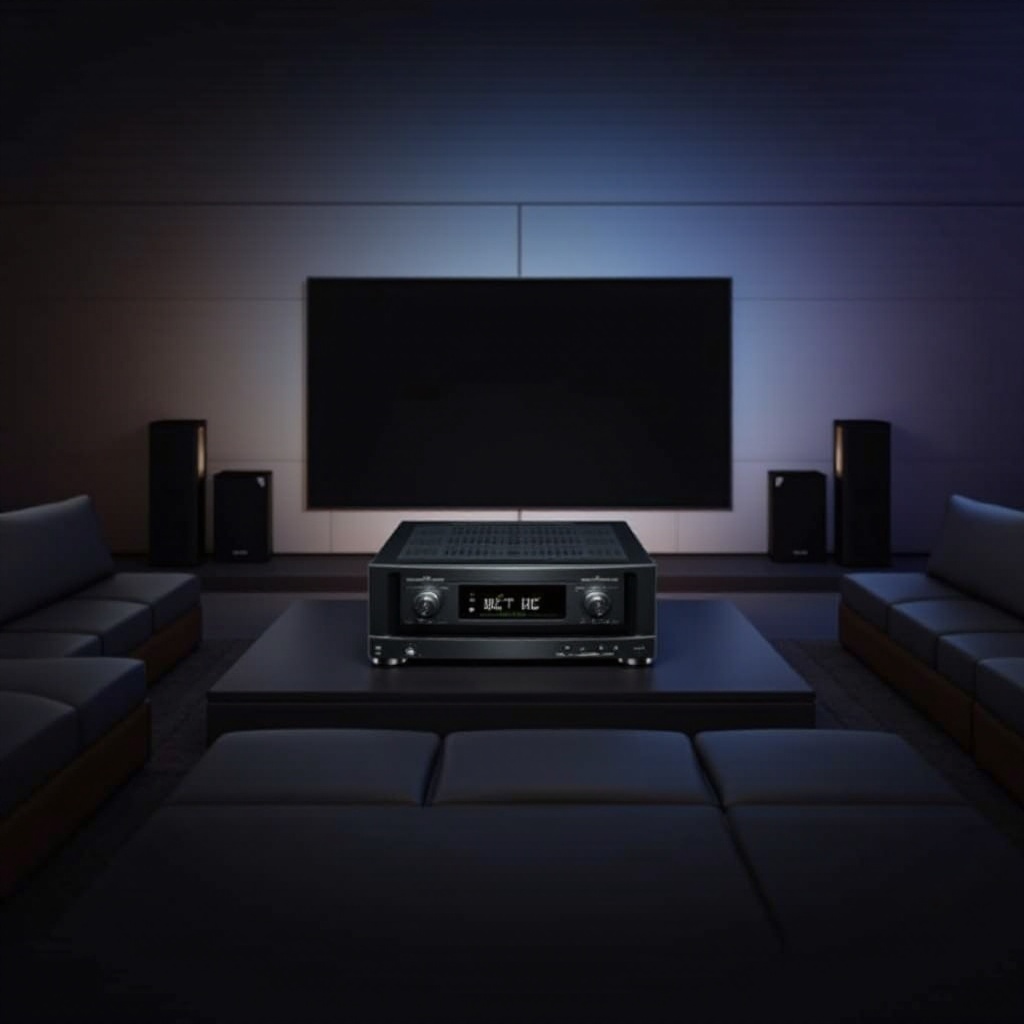
Properly connecting components is crucial for optimal performance. AV receivers simplify this process with a variety of input and output options:
– Port Variety: HDMI, optical, and RCA ports ensure compatibility with both new and older devices.
– Easy Device Integration: Connect everything from Blu-ray players to streaming devices seamlessly.
This setup not only simplifies the connection process but also enhances the compatibility and performance of your entire system, paving the way for smooth operation.
Advanced Features in Modern AV Receivers
Modern AV receivers are more than just connectors; they come equipped with smart features enhancing both functionality and convenience:
– Wireless Streaming: Bluetooth and Wi-Fi capabilities allow for easy streaming from smart devices, removing clutter and enhancing ease of use.
– Integrated Streaming Services: Direct access to services like Spotify or Tidal means millions of songs are readily available.
– Voice Command Integration: Compatible with Alexa and Google Assistant, they offer hands-free control, making your experience as effortless as it is enjoyable.
These features unlock boundless entertainment potential, transforming traditional viewing into interactive, user-friendly experiences.
Choosing the Right AV Receiver for Your Needs
When selecting an AV receiver, it is crucial to consider multiple factors:
– Room and Acoustics: The size and layout of your room can influence the type of receiver that will deliver the best sound.
– Existing Equipment Compatibility: Make sure the receiver can handle the power and input requirements of your current setup.
– Budget Requirements: Find a balance between cost and the features most critical to your use.
Considering these factors ensures that your choice will enhance your current system while providing opportunities for future upgrades.
Setting Up and Optimizing Your AV Receiver
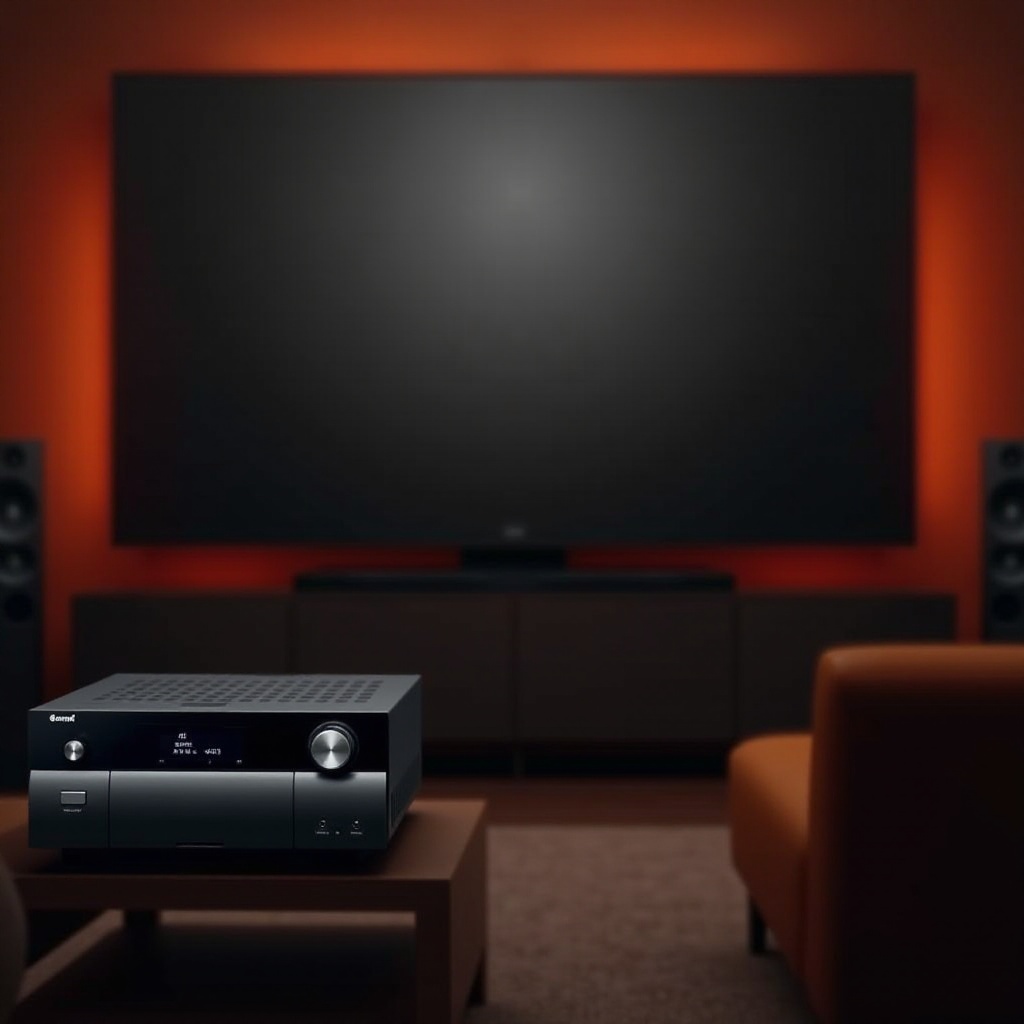
To maximize your AV receiver’s performance, careful setup and optimization are key:
1. Initial Setup: Most receivers include a guided setup with automatic speaker calibration. Follow these to ensure optimal configuration.
2. Sound Optimization Tips:
– Position speakers for proper surround sound effect.
– Use quality speaker cables for reliable connections.
– Keep your AV receiver’s firmware up to date for the latest features.
This fine-tuning will maximize your device’s capabilities, leveraging every nuance of sound and minimizing potential issues.
Conclusion
In essence, an AV receiver is central to any sophisticated home theater system. By decoding and processing signals, enhancing audio-visual quality, and facilitating seamless device integration, it ensures every viewing and listening experience is richly immersive. Whether you are setting up a new home theater or upgrading an existing system, incorporating an AV receiver is paramount to achieving unparalleled entertainment enjoyment.
Frequently Asked Questions
What is the main purpose of an AV receiver?
An AV receiver’s primary purpose is to decode and process audio and video signals, providing enhanced sound and video quality for a superior home entertainment experience.
Can I use an AV receiver to improve video quality?
Yes, many AV receivers can upscale video signals to higher resolutions, thus improving video quality before transmitting it to your screen.
How do I know what AV receiver is compatible with my speakers?
Compatibility can be ensured by matching the speaker’s impedance and power-handling capacity with the output specifications of the AV receiver.