Many first-time solar generator users assume capacity works like a simple number: more watt-hours means more time and fewer limits. But real energy use is more complex. People often discover that their expectations differ from their actual consumption patterns. They underestimate appliance demands, overestimate charging windows, or misread what their generator can support simultaneously. Solar generators reveal these gaps quickly because they turn energy into a visible, measurable resource. As users adjust, they learn how stored power, appliance loads, and solar input interact. Tools such as the Anker SOLIX F2000 Solar Generator + 400W Solar Panel help clarify this learning curve by showing how sunlight transforms into practical, sustained power for daily life.
Why New Users Misjudge How Much Capacity They Need?
Misunderstanding Appliance Power Requirements
Many people assume their appliances consume less power than they actually do. They may check wattage labels but overlook how long the device runs or how power fluctuates during use. For example, a refrigerator cycles on and off throughout the day, drawing more power at certain times. High-demand devices like microwaves or power tools can draw more wattage than expected in short bursts. When users finally plug these devices into a solar generator, they see the battery percentage drop faster than imagined. A system such as the Anker SOLIX F2000 Solar Generator + 400W Solar Panel helps them learn realistically because it supports both everyday devices and higher-demand appliances. Once users see real consumption patterns, they recognize how much energy their lifestyle truly requires.
Confusing Output Power With Total Stored Energy
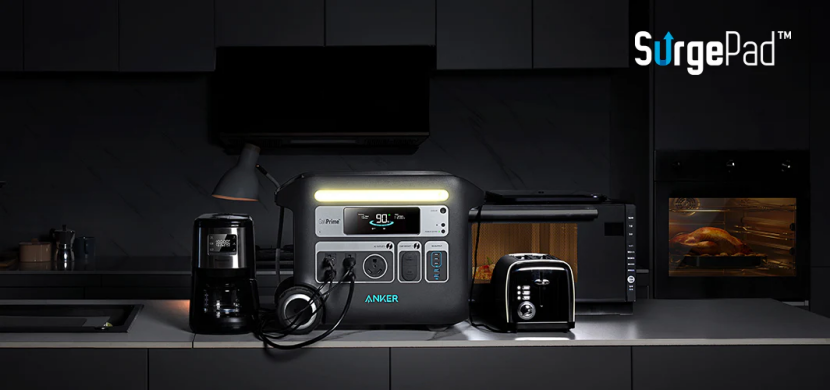
New users often mix up output wattage and stored watt-hour capacity. They assume a generator that delivers strong output can also run devices for a long time. However, output only describes how many devices can run at once—not how long the system can support them. A generator may power a microwave, lights, and a coffee maker at the same time, but this drains stored energy quickly. Solar generators help users see the difference through real testing. With its strong output, the Anker SOLIX F2000 Solar Generator + 400W Solar Panel allows users to experience full appliance performance, but they also learn how quickly energy is consumed under heavy loads. This distinction teaches users to plan not only for bursts of activity but also for long-term power needs.
Misjudging Solar Recharging Speed in Real Conditions
First-time users often imagine solar recharging as a constant, fast process. They picture sunny skies and uninterrupted hours of direct light. But real sunlight conditions shift throughout the day with clouds, shadows, and angle changes. Solar panels produce more power midday and significantly less in the morning or late afternoon. When users place panels casually or rely on partial sunlight, charging slows. That gap between expectation and actual charging speed leads to misjudged capacity needs. A system like the Anker SOLIX F2000 Solar Generator + 400W Solar Panel helps users understand this relationship because its strong solar input highlights how proper panel positioning improves performance. Once users refine their habits, they gain clearer expectations around daily energy recovery.
How Users Learn to Judge Capacity More Accurately
Observing Real-Time Power Usage Through Monitoring Tools
Monitoring plays a major role in helping users adjust their expectations. When they watch live consumption numbers, they begin to understand which devices matter most and how quickly energy moves. Many users reevaluate their assumptions the first time they run a few appliances and see the percentage shift. The Anker SOLIX F2000 Solar Generator + 400W Solar Panel supports this learning process through its Smart App Energy Control. Users check consumption, remaining battery life, and charging progress through WiFi or Bluetooth. This visibility helps them make decisions with confidence. Over time, they refine their daily routines, choose smarter combinations of devices, and determine which capacity level genuinely fits their needs at home or outdoors.
Refining Expectations Through Real Use Scenarios
Hands-on experience helps users align their energy assumptions with reality. After a few days or weeks of testing, people learn how long lights, fans, refrigerators, laptops, and tools can run. They learn how much reserve power they prefer for peace of mind. They experiment with device combinations and identify which tasks they prioritize during outages or off-grid trips. The Anker SOLIX F2000 Solar Generator + 400W Solar Panel fits naturally into this process because it offers strong performance across a wide range of appliances. Users observe how the generator behaves with their specific routines, which helps them form accurate power expectations. Understanding grows with each real-world trial.
Recognizing the Role of Solar Input in Total Capacity
Capacity is not just stored energy—it also includes how quickly solar input replenishes that energy. Users who depend on sunlight start to view capacity as a daily flow rather than a fixed number. They learn that placing panels at the right angle, repositioning during the day, and avoiding shade all dramatically influence energy recovery. These improvements help them use their generator more efficiently. A system like the Anker SOLIX F2000 Solar Generator + 400W Solar Panel supports these insights because it responds noticeably to strong sunlight and recharges effectively when set up properly. Through repeated adjustments, users develop a more mature understanding of total system capacity supported by portable solar generators and optimized solar capture.
Conclusion
First-time users misjudge solar generator capacity because they enter with assumptions about appliance demands, power duration, and solar charging. Once they engage with a real system, they see how daily routines, device loads, and sunlight conditions truly affect performance. Solar generators reveal these insights quickly through hands-on use and real-time data. The Anker SOLIX F2000 Solar Generator + 400W Solar Panel supports this learning curve by delivering strong output, efficient solar recharging, and app-based monitoring that improves awareness. As users gain experience, they learn to judge capacity with greater accuracy, ultimately choosing smarter energy habits that match their lifestyle, priorities, and long-term goals.