Power on camping trips has evolved from a luxury to a necessity for many outdoor enthusiasts. Whether charging phones, running lights, or powering mini-fridges, choosing the right solar setup makes a significant difference in comfort and convenience. With portable energy solutions becoming more capable every year, selecting the ideal solar panel for your needs can be overwhelming. To help you make the best choice, here’s a guide that breaks down the key factors to consider when picking panel solar camping solutions that truly deliver.
What to Consider When Choosing Solar Panels for Camping Trips?
Selecting the right solar panel for a camping trip means balancing power needs, portability, durability, and ease of use. The following points will help you make an informed decision.
Determine Your Power Requirements
The first step is to understand what you want to power on your trip. Small electronics like phones, cameras, and GPS units draw relatively little energy, while devices such as portable fridges, fans, or power stations require more. Calculate the total wattage of the devices you plan to run and how many watt-hours (Wh) you expect to need per day. This helps determine the output size of the solar panel you should choose. Larger panels capture more energy, but smaller panels may be sufficient if your energy needs are minimal.
Choose the Right Wattage and Size
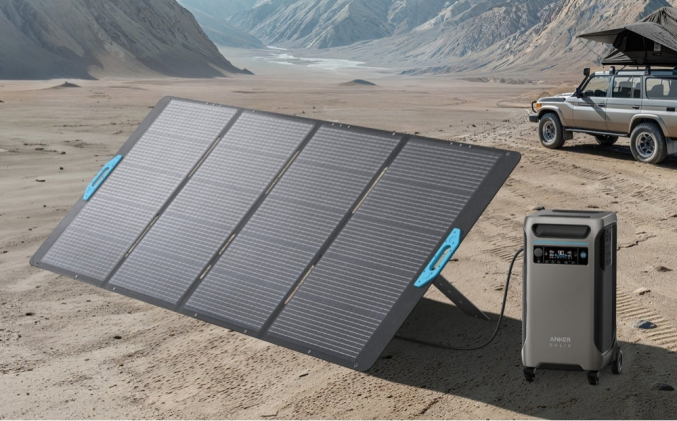
Solar panels for camping come in a range of wattages. Lower-watt panels (20–50W) are great for basic charging, while mid-range (100W+) panels can support power stations and larger loads. Higher wattage means faster charging and longer runtime but also more weight and bulk. For example, Anker SOLIX portable solar panels strike a balance between power and portability, making them suitable for many camping setups. Match the panel’s wattage to your calculated power needs to avoid underpowered systems.
Portability and Ease of Setup
Camping trips often involve hiking, setting up in tight spaces, or frequently moving camp. Therefore, panel weight, foldability, and included accessories matter. Lightweight, foldable panels with built-in stands or mounting options are easier to position in direct sunlight. Some models even come with carabiners for clipping to backpacks or tents, reducing setup time and effort. The convenience of a portable, easy-to-deploy system enhances the camping experience.
Durability and Weather Resistance
Outdoor environments can expose solar panels to rain, dust, and rough terrain. Look for panels with weather-resistant or waterproof ratings that can handle the elements. Durable materials and reinforced edges increase longevity and ensure your investment lasts through multiple trips. Panels with rugged construction give peace of mind that they will perform even in less-than-perfect weather conditions.
Efficiency and Solar Cell Type
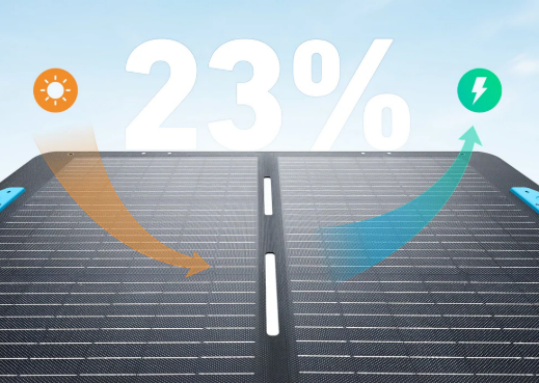
Solar panel efficiency refers to how well a panel converts sunlight into usable power. Higher-efficiency panels often use monocrystalline cells, which perform better in limited or partial sunlight, in forested or mountainous camping areas. Efficient panels produce more power per square foot, which is especially valuable on shorter trips where maximizing sun exposure is crucial.
Compatibility with Other Gear
Consider how the solar panel integrates with your existing camping power setup. If you’re using a portable power station, make sure the panel’s connectors and output are compatible. Some panels come with MC4 or XT-60 connectors and include adapters, simplifying integration with power stations like those from the Anker SOLIX lineup. Matching compatibility ensures smooth charging without unnecessary adapters.
Solar Tracking and Placement Flexibility
Being able to adjust your solar panel’s angle toward the sun can significantly improve energy capture throughout the day. Panels with adjustable stands or tilt brackets let you optimize positioning as the sun moves. This is particularly helpful in shaded or uneven terrains where direct sunlight isn’t constant.
Conclusion
Choosing the right solar panels for camping trips requires thoughtful consideration of power needs, portability, durability, and compatibility with your other gear. By assessing devices to power, selecting appropriate wattage, and prioritizing efficient, weather-resistant designs, you can find the ideal panel solar camping solution for your adventures. Whether you’re a weekend camper or a long-term adventurer, a reliable solar panel setup enhances comfort and independence on the trail.