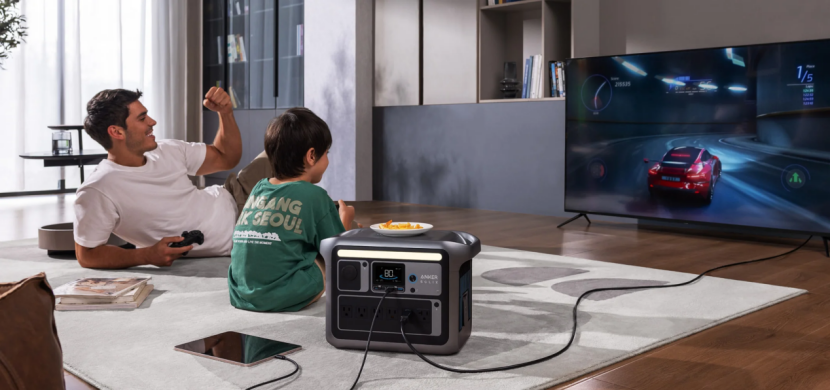
Charging speed is one of the most misunderstood performance metrics in modern power stations. Campers, homeowners, and vanlife users often assume that wattage alone determines how fast a unit fills, but real charging behavior depends on a mix of electrical design, battery type, temperature management, and input efficiency. A model such as the Anker SOLIX F2600 Portable Power Station—featuring a 2,560Wh LFP battery, 2400W AC output, 1000W solar input, and HyperFlash™ charging—offers a clear example of how advanced engineering elevates real-world charging performance. Understanding these factors helps users set accurate expectations, avoid bottlenecks, and build efficient off-grid or backup strategies.
Key Technical Factors That Shape Real Charging Speed
Power Input Limits Define the Maximum Speed Possible
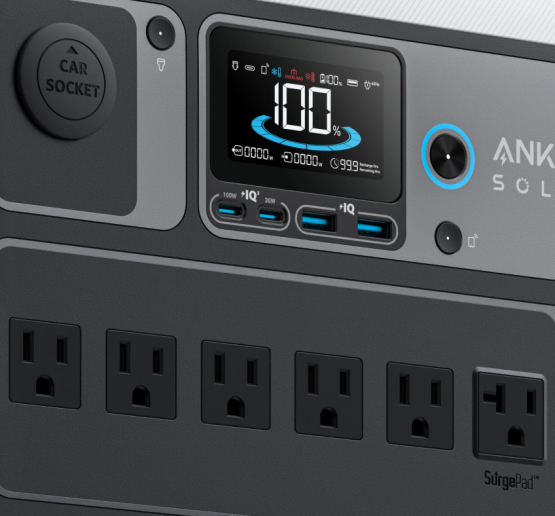
Every power station has a built-in ceiling for how much electricity it can accept at one time. This input limit shapes the fastest theoretical charging time. For AC charging, manufacturers design internal circuits that regulate how safely and efficiently the unit receives energy from a wall outlet or generator. A model like the Anker SOLIX F2600 provides HyperFlash™ 1440W AC input, enabling significantly faster charging sessions compared to conventional units using lower input limits. Solar input limits also matter because panels must match what the system can handle. The F2600’s 1000W solar input allows users to take advantage of strong sunlight for rapid replenishment. When users match energy sources with a power station’s rated input capacity, they reach optimal charging speeds without strain or inefficiency.
Battery Chemistry Heavily Influences Charging Behavior
Different battery chemistries accept charge at different rates. Lithium iron phosphate (LFP) batteries—used in the SOLIX F2600—provide excellent stability, long lifespan, and efficient energy acceptance across repeated charge cycles. This chemistry also handles high-power charging with better thermal control than older lithium-ion types. Because LFP cells maintain structural integrity and low resistance under stress, they allow power stations to sustain fast charging for longer portions of the cycle without throttling early. Users benefit from predictable, steady charging even as the unit approaches full capacity. When choosing a portable power station, understanding the battery chemistry helps predict how consistently and safely fast charging can occur, especially in demanding off-grid environments.
Internal Electronics and Heat Management Affect Real-World Speed
Power stations rely on inverters, converters, and temperature-monitoring systems that control how efficiently power flows into the battery. Heat buildup is one of the main reasons charging slows down in lower-quality designs. Advanced models solve this by using efficient circuitry, industrial-grade components, and multi-point temperature sensors. The Anker SOLIX F2600 benefits from advanced cooling systems and continuous temperature monitoring, helping the battery maintain ideal operating conditions. When thermal levels stay low, charging speed stays high. Without proper cooling, charging slows automatically to protect internal components. In real-world use—especially during summer travel or emergency recharges—thermal efficiency determines how close a user gets to the advertised charging rates.
External Conditions and User Habits That Influence Charging Speed
Energy Source Quality Determines How Fast Power Flows
Wall outlets, generators, and solar panels do not always provide stable or consistent input. Users often overlook how fluctuations in voltage or sunlight strength affect charging speed. A stable AC supply delivers predictable HyperFlash™ charging for the F2600, while weaker power sources slow the process significantly. Solar charging varies even more. Clouds, panel misalignment, temperature, and time of day influence how much usable wattage reaches the power station. With high MPPT efficiency, the SOLIX series helps convert fluctuating sunlight into stronger usable input, but users still need good light to achieve top speeds. Proper panel setup, clean connectors, and correct cable routing all contribute to higher real-world performance.
Battery State-of-Charge Impacts Speed at Different Stages
Power stations rarely charge at full speed from 0% to 100%. Most units accept power rapidly in the beginning, then gradually slow as they approach full capacity. This tapering protects the battery from overvoltage stress. With advanced charging systems, tapering occurs later in the cycle, allowing faster overall fills. The SOLIX F2600’s optimized charging curve helps reduce the slow-down period, making the full cycle more efficient. Users who frequently top off their power station rather than recharging from extremely low levels experience even faster results. Understanding this dynamic helps travelers and homeowners schedule their charging sessions intelligently and minimize downtime when power is urgently needed.
Temperature and Environment Shape Charging Efficiency
High heat, freezing temperatures, and direct sunlight affect charging speed more than many users realize. Batteries operate best in moderate conditions. Extremely cold environments slow lithium reactions, while high heat increases internal resistance and reduces safe charging limits. With the SOLIX series’ advanced temperature monitoring—checking conditions up to 100 times per second—users benefit from safer, more stable charging even when environmental conditions shift. Still, placing the station in shaded, ventilated areas allows the system to work at optimal levels. Because charging speed depends on maintaining ideal conditions, user habits such as protecting the station from direct heat or shielding cables from harsh weather contribute to more consistent results.
Conclusion
Real charging speed in power stations depends on far more than wattage numbers. Input limits, battery chemistry, cooling systems, environmental conditions, and user behavior all shape how fast a unit recharges in daily use. A high-performance model like the Anker SOLIX F2600 Portable Power Station demonstrates how thoughtful engineering—such as LFP battery design, efficient thermal control, and fast AC and solar input—delivers reliable speed across a range of conditions. When users understand the factors behind charging behavior, they set realistic expectations and get more consistent performance whether powering off-grid travel, emergency backup needs, or home workspace setups. Charging efficiency becomes predictable, manageable, and ready for any situation.